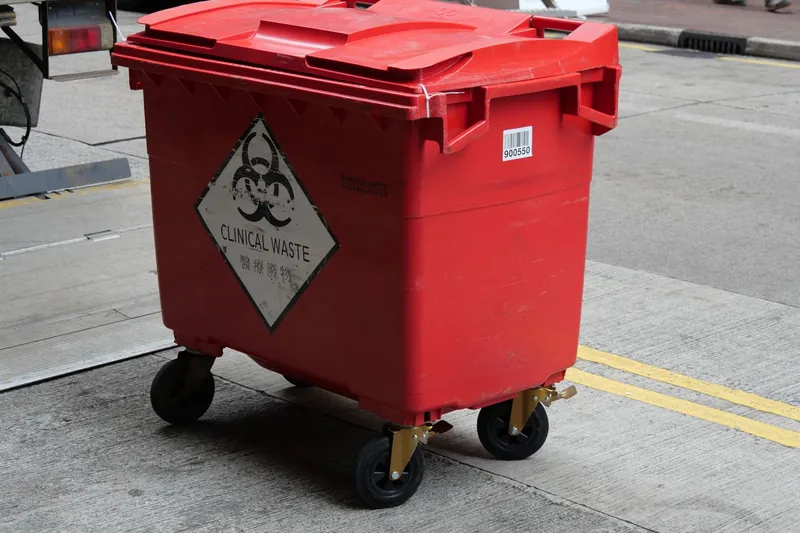
Medical Waste Removal
After medical waste removal, disposal takes place through approved treatment facilities.
See medical waste removalGet discarded needles, syringes and related sharps removed from a yard, rental, park, alley or commercial property in Coliseum District. Keep people and pets away until the affected area has been searched and cleared.
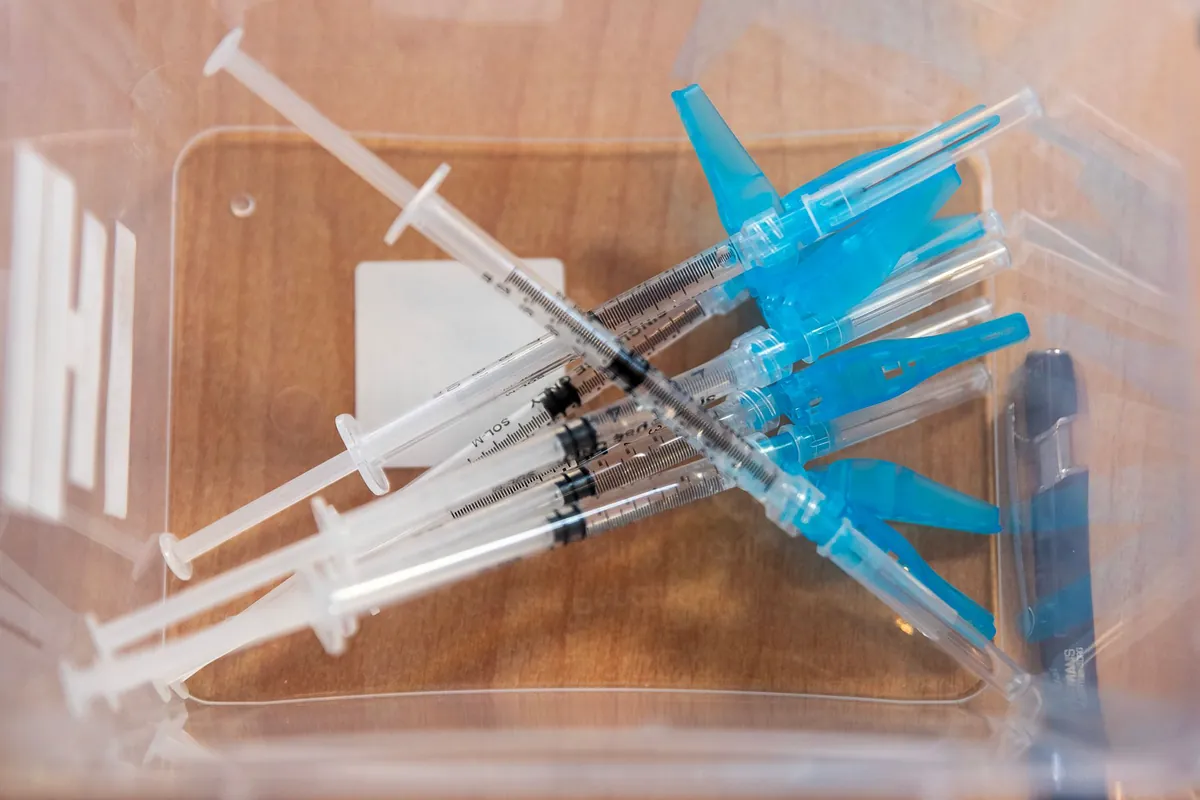
A sharps cleanup safely searches for, picks up and contains abandoned syringes, other needles, lancets, razor blades and additional sharp objects. Disposal then takes place under the relevant rules for that type of waste.
Depending on the site, work may address one syringe in view or require a systematic search across a much larger space. Technicians inspect vacant rooms, grass, planting containers, mulch, stairways, fence edges, refuse zones and spots below debris or furnishings. Hands stay clear of pointed ends because tongs or a comparable collection tool are used. Items are placed immediately in a rigid sharps container that resists punctures, never in an unsecured bag.
A tenant departure, trespassing, illegal drugs or an encampment closure may leave a property needing discarded syringe removal. Related biohazard work may cover more than the sharps themselves. Paraphernalia, limited bodily fluid staining and contaminated material beside them can also require attention. Each material is identified, separated, packaged and cleaned as appropriate, rather than being swept into regular trash together.
Technicians methodically inspect belongings and keep items that can stay apart from waste and contaminated materials.
Calls receive answers during the day and overnight, while unmarked vehicles let crews arrive discreetly at rental properties, homes and commercial sites.
Property owners, managers and insurance companies can use photos, job notes and available waste records to understand the cleanup performed.
The cleanup plan covers where technicians will search, any property that may move and conditions affecting cost before the cleanup process begins.
Cleanup becomes necessary if a sharp presents a puncture risk during routine cleaning, upkeep or use of the property. Because sites and circumstances differ, the area searched needs to reflect both the discovery and the way people use that location. Examples include:
Sharps can be concealed inside tents, loose refuse, plants or bedding, so avoid lifting or pressing the debris before an inspection.
Needles left in a unit, drawer, mattress, trash pile or common area need controlled pickup before cleaners, contractors or new occupants enter.
A wider inspection may be appropriate around play areas, pathways, restrooms, planted areas and parking margins when one syringe is discovered.
When unknown residue, glass, foil or pipes accompany syringes, the location needs caution due to combined physical and contamination hazards.
Prevent anyone from making contact first. These simple, steady actions reduce risk and keep the area intact for a thorough search for sharps:
Call (888) 440-9227No separate needle and sharps cleanup range appears in published pricing guides. For comparison, general biohazard work is listed at $3,000 to $5,000 per job, and medical waste disposal is $2 to $20 per pound. These figures are contextual, not a quote for sharps service. Disposal requirements, item count, locations and search area determine your price.
These national ranges are taken from published cost guides, rather than a property visit. An on-site assessment determines your property's price, which is explained to you before the cleanup starts.
Ask about cost: (888) 440-9227Coverage depends on why the needles are present, where they are found and the terms of the policy. Ask the insurance company before work begins when it is safe to wait.
Ask whether the event is covered, whether cleanup must be approved first and which photos, service notes or waste records are needed to move forward with the claim.
When discarded sharps are associated with a reported criminal incident, check whether state help may apply. Homeowners or renters insurance, the estate or the property owner usually pays for this kind of cleanup. The Ohio crime victim compensation program helps only when a crime caused the loss.
Property insurance may apply if the sharps resulted from covered trespassing, vandalism or some other event included by the policy. Share clear incident details and photos with the insurance adjuster.
Payment responsibility depends on the lease terms, applicable local rules and what caused the problem. Managers and property owners should create documentation of the rental before needle removal starts.
Every property shapes the amount of work required, but the sequence stays clear. Needle cleanup controls access, searches deliberately, collects items safely and concludes by visually checking the area again.
Cleanup technicians assess the known locations, recent property activity and surfaces involved, then set the boundary of the affected area.
Technicians restrict access and choose protective equipment for both sharp injury and contamination risks. The cleanup begins along a clear boundary.
Technicians divide the location into search sections and check plants, bedding, furnishings, planters, floor borders, refuse areas and similar hiding spots.
Technicians use tongs or a different collection tool to lift every sharp they see. Technicians never bend, snap, recap or transport it without a container.
Collected needles and similar objects go straight into a rigid sharps container that resists punctures and closes before transport.
Compatible surfaces receive an EPA-registered disinfectant for its label's entire contact time after nearby bodily fluids and other hazardous materials are removed.
Sealed containers follow the disposal path that applies to the location and material, while available waste and service documentation stays together.
Before reopening, technicians search visually again, report inaccessible spaces and describe the materials taken from the location.
Call at any time. Your needle and sharps cleanup specialist answers the phone, describes what happens next and works with you on a start time.
The central hazard comes from sharp objects that can puncture or cut you while carrying possible contamination. For that reason, consider each abandoned item hazardous. Serious health risks can also mean cleanup technicians need to search a broad area in a deliberate pattern.
An used needle can expose a person to bloodborne pathogens through a puncture. OSHA's Bloodborne Pathogens Standard, 29 CFR 1910.1030, sets worker protections when occupational exposure to blood may occur.
You may feel upset when needles appear in an area frequented by tenants, customers, pets or children. Your next clear action is to keep the space shut and schedule a thorough sweep.
Tall grass, floor cracks, loose rubbish, bedding, leaves and cushions can hide needles left behind at the site. After one item is found, inspect the surrounding areas before restarting normal activity.
Can you clean it yourself? Do not touch a single found sharp, whether your hands are bare or covered by gloves. Keep everyone clear, then use your local sharps instructions or arrange professional cleanup. After a puncture, clean the spot using soap and water, then ask a medical professional for exposure advice without delay.
A single visible item can take less time than a broad property sweep, but no fixed duration fits every site. Hidden sharps, dense debris and difficult access extend the work.
| Scene | Typical time on site |
|---|---|
| One known needle in a clear location | Brief appointment once disposal and entry requirements are established |
| A rental unit or several separate locations | An extended inspection shaped by room count, hidden spots and furnishings |
| Large outdoor or debris-filled site | Expanded inspection, at times planned with removal of debris |
Discarded syringes or needles normally do not affect air quality or leave persistent odor on their own. A noticeable smell can point to adjacent trash, spoiled matter, bodily fluids or a different source that requires odor removal. Identification and removal of the cause should replace any attempt to mask it using fragrance.
While searching for sharps, cleanup technicians may also evaluate nearby spaces. Any related contaminated items are removed or packaged before compatible hard surfaces undergo cleaning and disinfection. Treatment of the air is appropriate only if the identified source and the materials it affected make that step necessary.
Worker contact with blood is addressed by the OSHA Bloodborne Pathogens Standard, 29 CFR 1910.1030, including safeguards, protective equipment and exposure control.
When blood or bodily fluids are present on a compatible surface, the chosen EPA-registered disinfectant must remain wet for the full contact time stated on its label.
Ohio treats soaked materials from a biohazard scene as infectious waste. Ohio EPA's Division of Materials and Waste Management rules control how it is packaged, transported and treated, so it cannot go in household trash.
Cleanup must wait for the required release if discarded sharps are part of a death scene or current law enforcement investigation. Local health and building rules can affect how a contaminated room is cleaned and when it can be used again, so mention any notice you have received from the city or county.
The full needle and sharps cleanup guide covers what is cleaned or removed, odor and air quality work, and the rules that apply in Ohio and Franklin County.
Read the full needle and sharps cleanup guideContainment, entry and cleanup plans can be influenced by local housing, population and access details.
The nearest listed emergency facility is Grant Medical Center, about 2.2 miles away, so medical care remains separate from property cleanup.
With central-park-district, Ohio District, and Buckeye District close by, accurate street and unit details help avoid confusion during a sensitive response.
The neighborhood setting makes privacy especially important when equipment must pass through sidewalks, lobbies, or other visible common areas.
You can ask about cleanup in nearby communities and ZIP codes during the call.
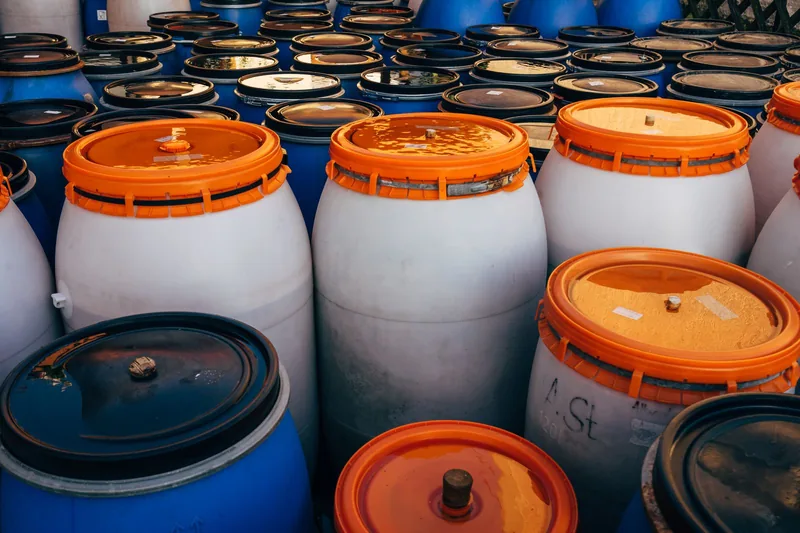
After medical waste removal, disposal takes place through approved treatment facilities.
See medical waste removal
Pickup and disposal of biohazard waste use containers that are sealed and labeled.
See biohazard waste disposal
Removal of needles, pipes and drug residue from rentals and properties.
See drug paraphernalia cleanup
Needles, waste and debris carrying contamination are cleared from homeless encampments.
See homeless encampment cleanup
Biohazard cleanup for hotels, Airbnb units and rental properties.
See hotel, airbnb and rental biohazard cleanup
Commercial and industrial sites receive biohazard cleanup arranged around operating needs and site access.
See commercial and industrial biohazard cleanup
Blood cleanup controls exposure to HIV as well as hepatitis B and hepatitis C.
See bloodborne pathogen cleanup
Cleanup removes infectious material, including blood and body fluids, and disinfects the property.
See biohazard cleanupKeep children, visitors and pets out of the area. Leave nearby mulch and grass untouched, without reaching, mowing or raking. Set a visible marker without approaching, then schedule removal. Because another sharp may be hidden nearby, ask whether the surrounding yard should receive a systematic needle sweep instead of removing only the visible item.
You can request a professional needle cleanup service for a sharp found within privately owned property. When you see a needle on a park, roadway or public walkway, use the municipal contact designated for public health, parks or public works. While awaiting pickup, prevent access by pets and people, and leave the item untouched and unmoved.
Potentially, yes. Describe visible pipes, tiny bags, glass fragments, foil and unknown residue to the cleanup service when you ask for help. Because these materials can carry distinct risks from contact or contamination, evaluate them apart from the sharps. The work scope should state whether the visit covers only sharps or also includes paraphernalia, nearby residue and other hazardous waste.
Clean the spot using soap and water, then contact a medical professional for guidance without delay. A clinician can assess the exposure and explain any testing or follow-up. Do not touch the needle for inspection or apply aggressive pressure to the wound. If the sharp remains at the site, keep others away and arrange safe collection.
Not always, but nearby conditions still need consideration. Finding one item in an uncluttered controlled interior is unlike discovering it inside a trash heap, tall vegetation, bedding or shared stairs. Recent site activity and likely hiding places help define the affected area. Have the technician clarify the proposed area for the sweep.
Access remains controlled while a cleanup technician in appropriate protective equipment uses tongs or a similar tool for collection. Technicians place the syringe immediately inside a hard container designed to resist punctures. Technicians never recap, break or bend the item. The follow-up inspection covers possible hiding places among furniture, plant growth, loose material and floor edges.
Discreet, respectful needle and sharps cleanup, 24 hours a day, with crews in unmarked vehicles.